Today it’s time to open the bag of memories and came back to the first step of this journey. After 8 days quarantine, still necessary when I arrived on 18th December 22, I finally arrived in Ningbo in the Zhejiang Province. Even if it was not my final destination, I decide to take a break here in order to get familiar with the Chinese daily life uses and issues supported by friends and colleagues.
Since summer 22 in fact my friend and colleague Michele followed Prof. Chunmiao Zheng (the Chinese supervisor of my research project) in a new valuable scientific adventure in Ningbo. Here an emerging private non-for-profit research university named Eastern Institute of Technology, Ningbo “EIT” was founded in early 2022. It was a great experience to see the fast growth a new scientific excellence, visit the new buildings which already host the offices of research and administrative stuff. I loved the wide spaces and the recreative areas especially the Italian coffee machine for free! It was a small but relevant help to bear the nostalgia of Italy.
I had also the possibility to see how is growing the future campus and the renders of how it will appear soon. Look forward to visit again when it will be inaugurated.
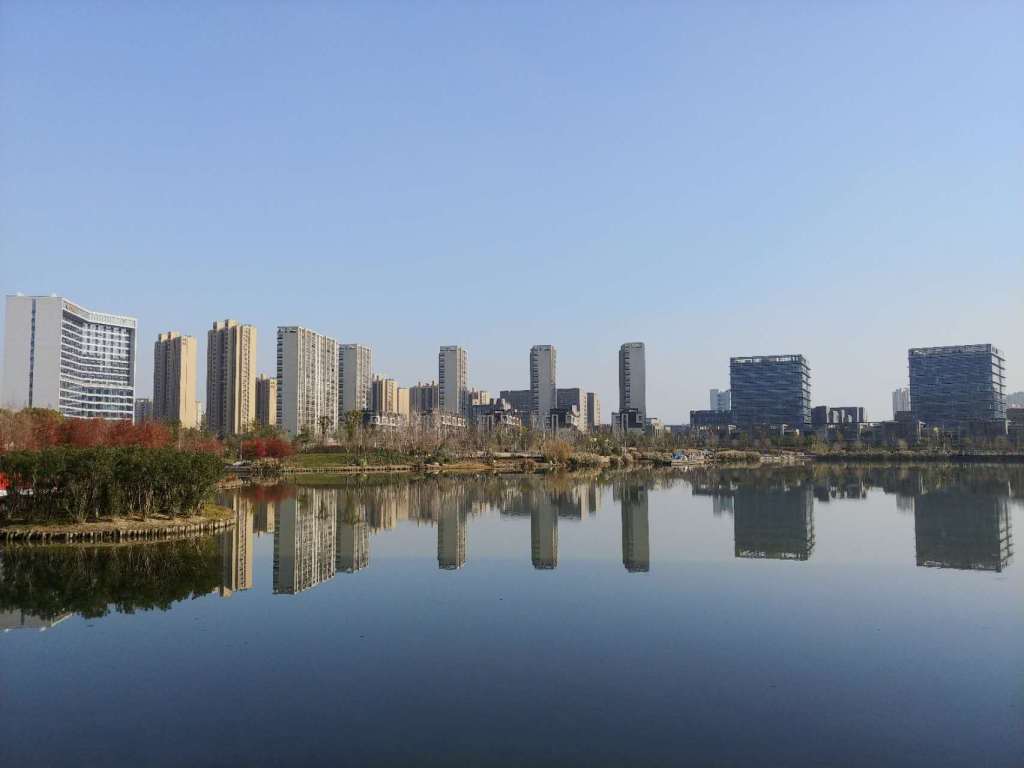
In this panoramic photo I took from the small lake near EIT, both my apartment on the left and EIT are visible. Everyday just few minutes walk and I was in. I really did not miss my previous commuter life.
I had also the possibility to visit Ningbo. I did not know much about this city before the arrival of my friend but according to Wikipedia, it is “one of China’s oldest cities, with a history dating to the Jingtou Mountain Culture in 6300 BC and Hemudu culture in 4800 BC. Ningbo was known as a trade city on the silk road at least two thousand years ago, and later as a major port for foreign trade” (https://en.wikipedia.org/wiki/Ningbo).
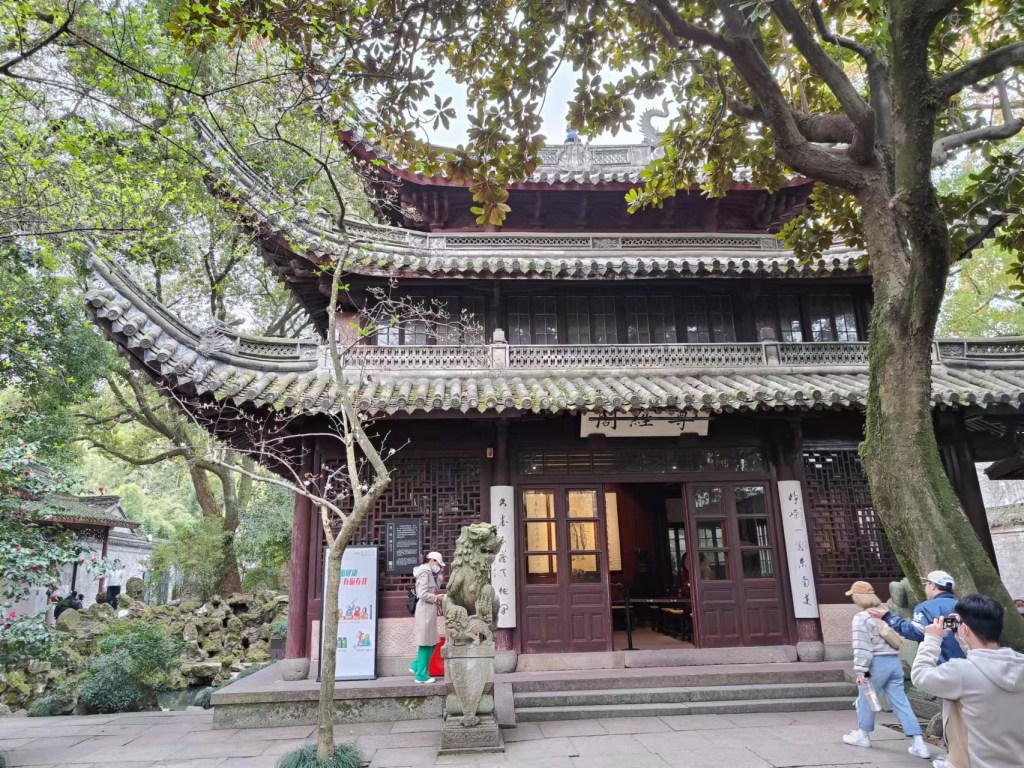
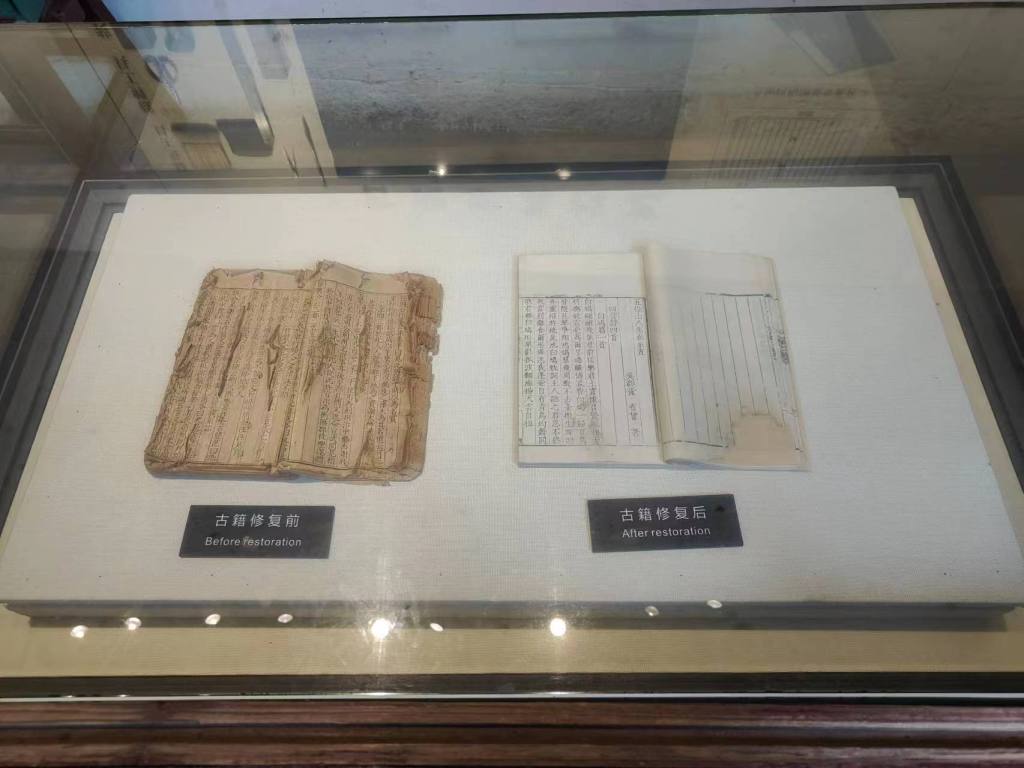
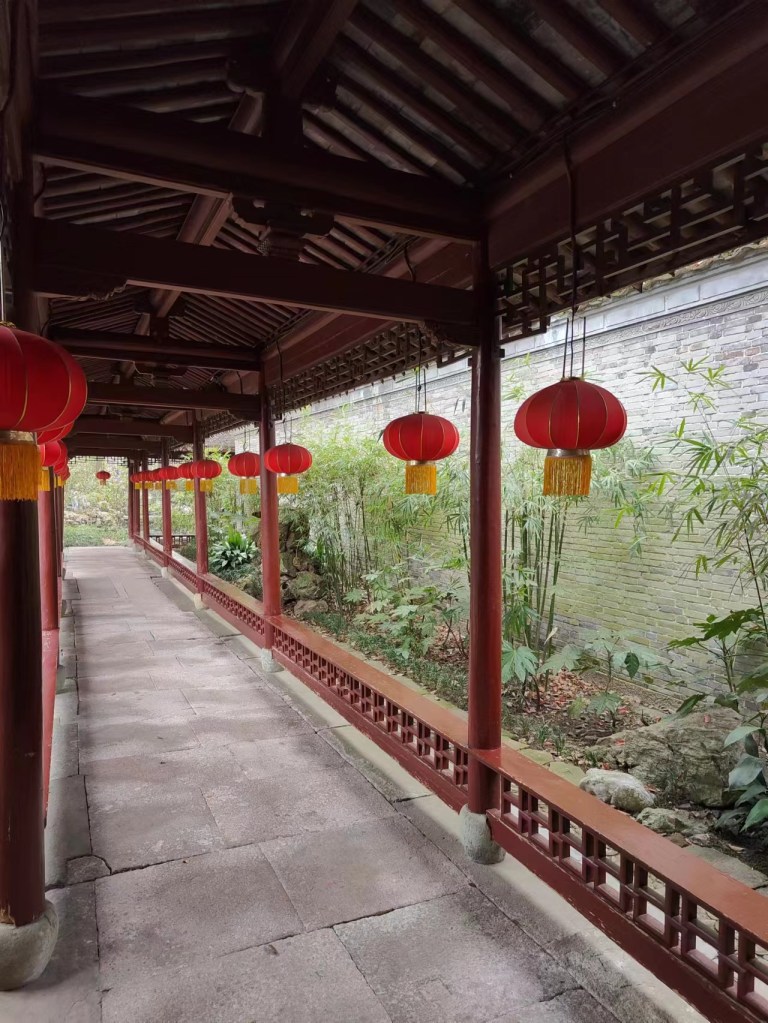
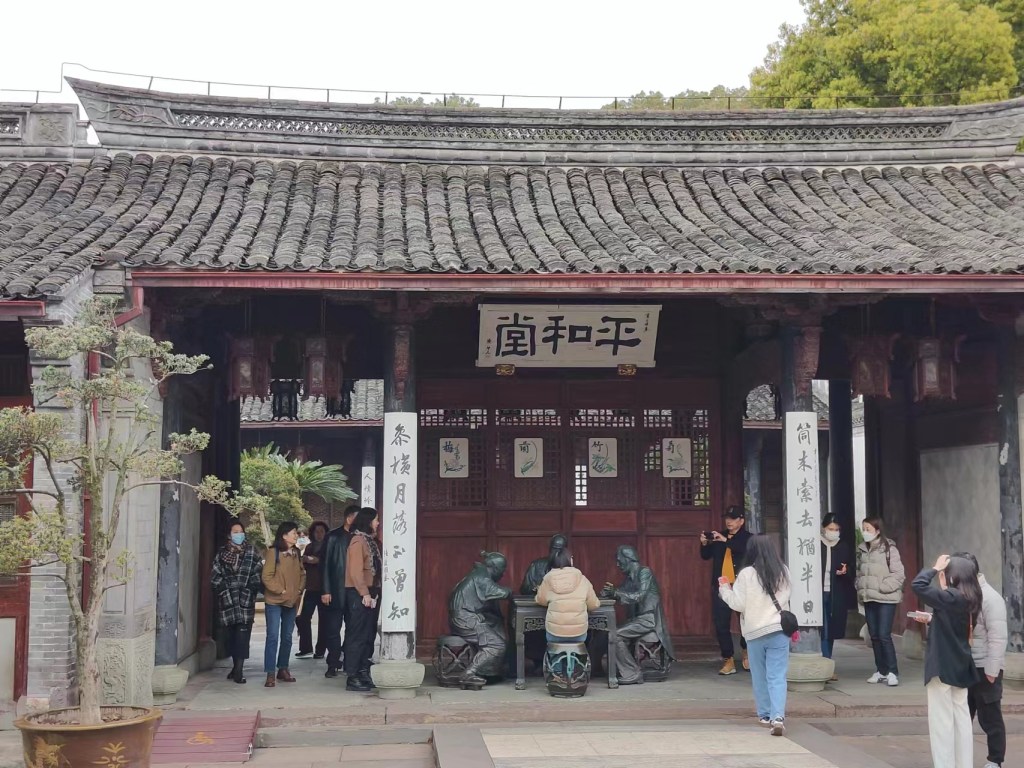
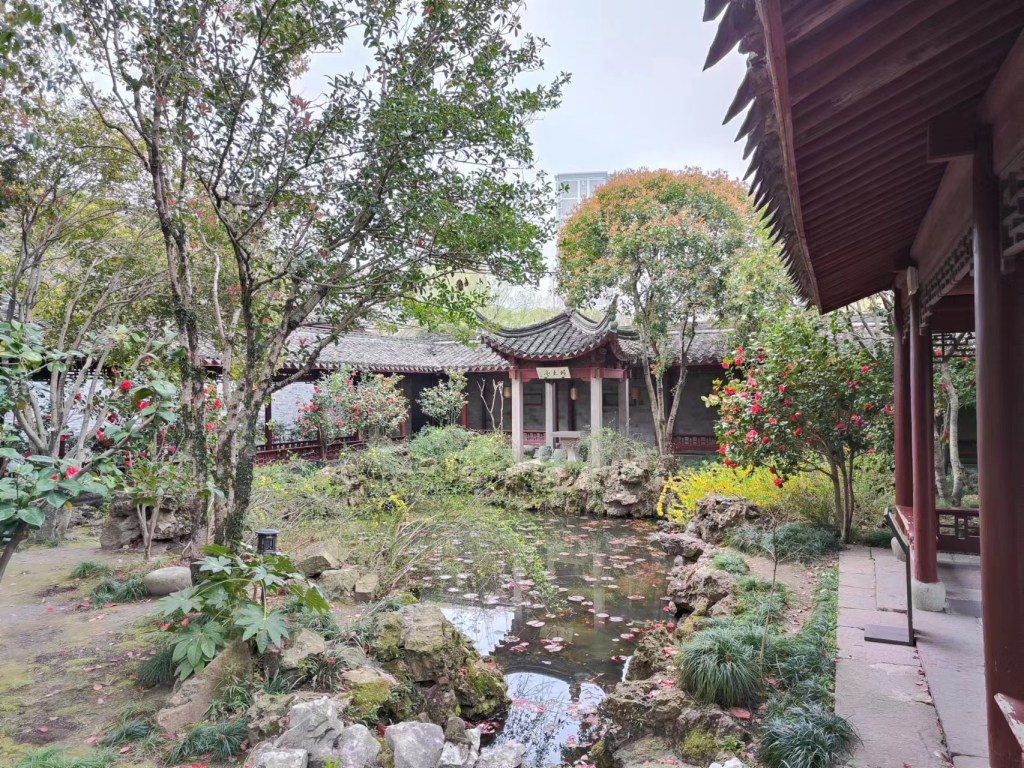
I supposed to visit many ancient palaces, ruins and temples, but when I started to visit the city I listened to main archeological sites but at the end I was mostly fascinated by the parks and garden all over the city. The ancient Tianyi Pavilion (天一阁) is for sure a must-see place, I loved the relaxing atmosphere, the wooden buildings and the Mahjong pavilion with old to modern examples of Mahjong from different Countries.
Unfortunately, I cannot play this game, so I was not able to join these guys to the Mahjong table.
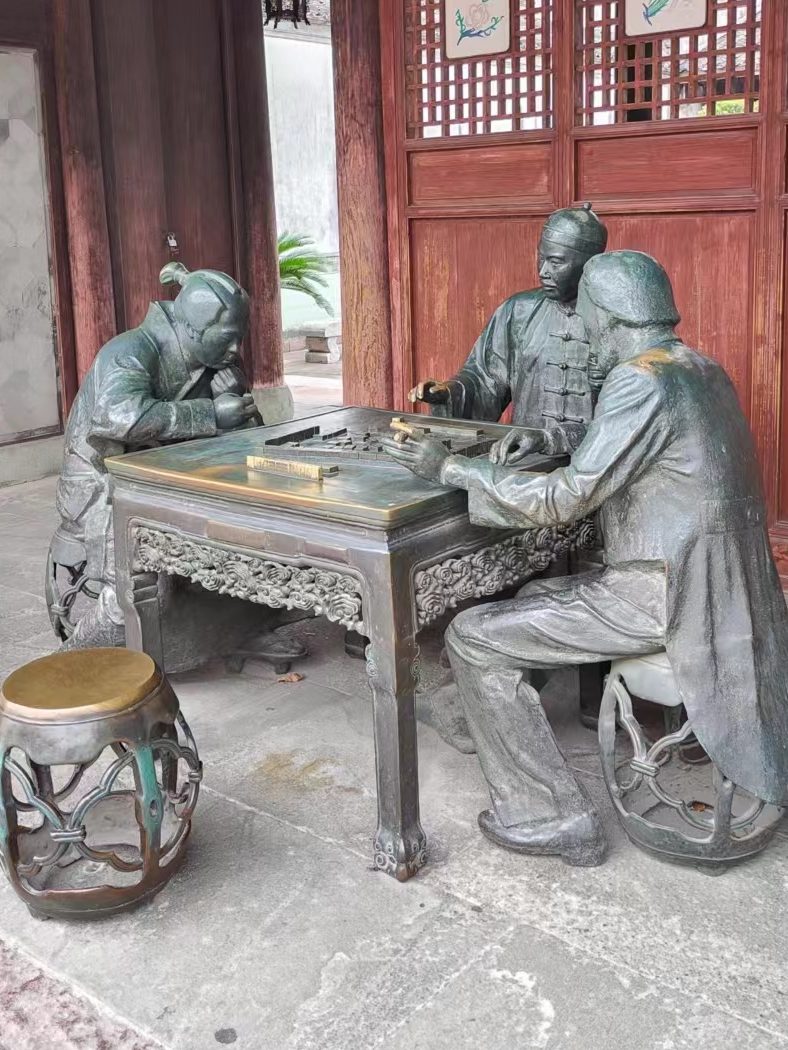
I spent almost 3 hours inside the Tianyi library because sometimes I just sat down on a bench enjoining the warm day (even if mostly cloud) in March or I spent many time to look at the books showed in the showcases. It’s unbelievable the harmony created by ten Chinese characters written with extremely precision and mastery also using a brush (for the ancient books).

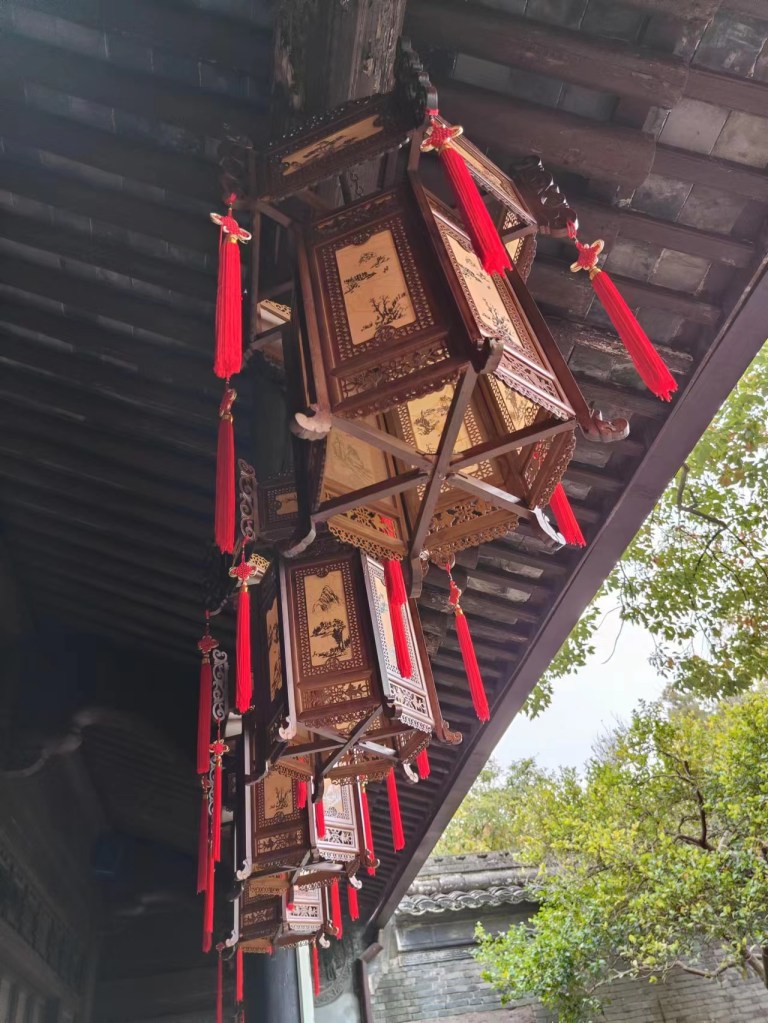
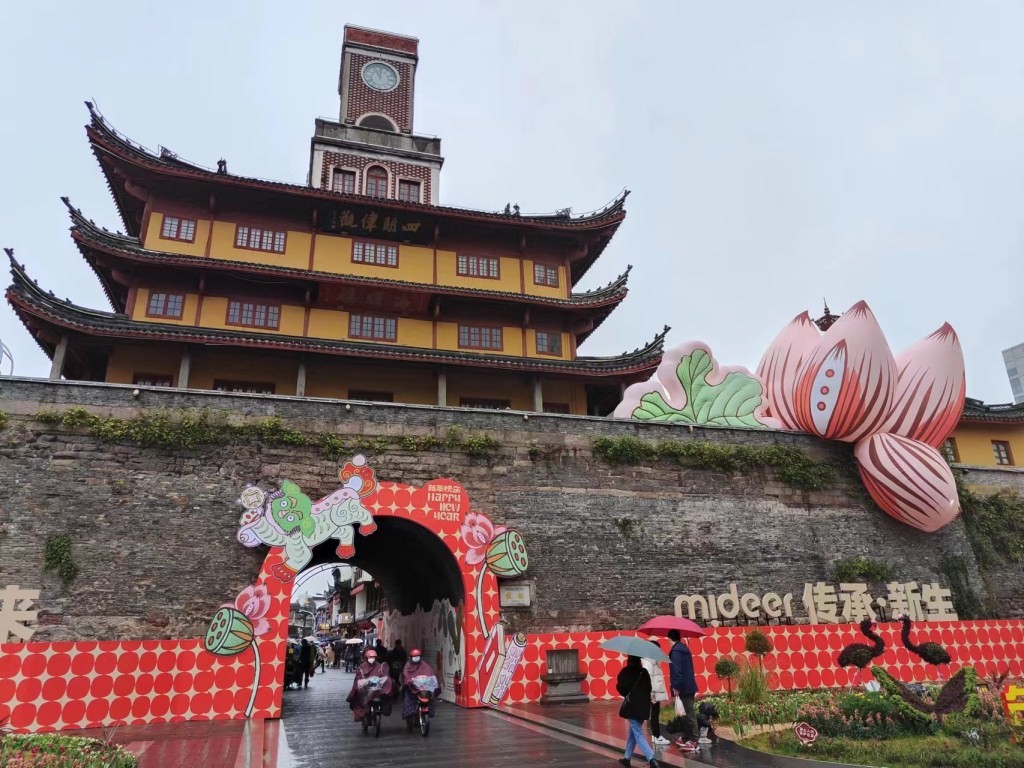
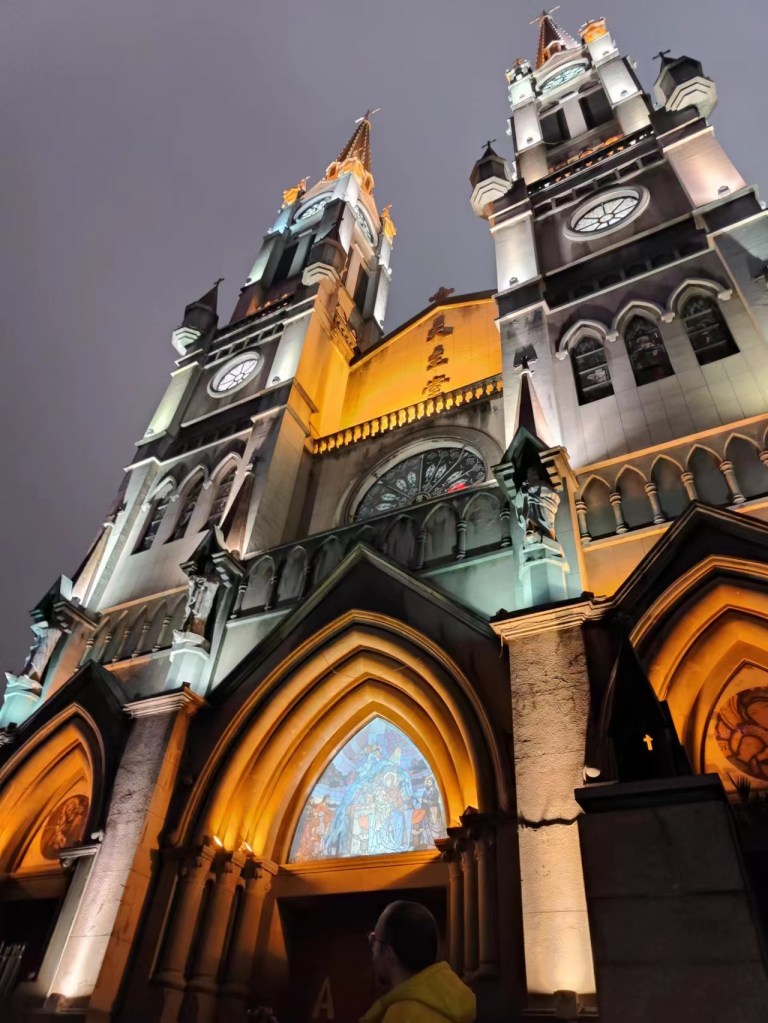
Another historic monument I visited was the Ningbo Drum Tower Complex (photo on the left), I loved the shape of this tower and the streets full of shops and restaurants behind the gate. Nearby the Drum tower are present also some remains of walls and structures of ancient buildings but only little to see. The most surprising place I never expect to find was the Cathedral of the Sacred Heart of Jesus (photo on the right). This is a late 1870s church, closed by the government between the 1960s and the 1980s. It was recognized as a national heritage site in 2006.
I’ll share my favourite parks in Ningbo in the upcoming post.
Stay tuned
再见
Stefano

 SPONGE - Surface runoff as source of microplastics and emerging contaminants in megacities aquifers